Best Weight Loss Strategies: A Comprehensive, Long-Term Guide
Greetings
Table of Contents
You decide to change by stepping on the scale. You attempt the newest fad—a rigorous 500-calorie diet, a carb-free boot camp, or a juice cleanse. Before long, desires take over, motivation wanes, and the weight returns. It’s draining and annoying.
In actuality, there isn’t a magic medication. But there is a “best way” to reduce weight. It can be found in a comprehensive approach that incorporates mental changes, regular exercise, and nutrition supported by science rather than in a fad diet or a three-day detox.
This book will assist you in properly losing weight without needless suffering if you’re searching for a sustainable, natural strategy to lose weight and keep it off.

Knowing the Fundamentals of Weight Loss
We must comprehend how the body actually burns fat before we can decide what to consume. Weight loss is really a math and biology game, despite the fact that many individuals overcomplicate it.
You need to be in a calorie deficit in order to lose weight. This simply indicates that you must expend more energy (calories) than you take in. Your body uses stored body fat as fuel if it requires energy but cannot get it from food.
Important Weight Loss Principles : The basic principle of energy balance is Calories In vs. Calories Out. You won’t lose weight if you consume more energy than you expend, regardless of how “healthy” your diet is.
Density of Nutrients: Food quality is important for hunger and health, while calories are important for weight loss. While 100 calories of candy may cause your blood sugar to jump and leave you hungry an hour later, 100 calories of broccoli will keep you full and deliver nutrients.
Consistency vs. Intensity: A year of imperfect, consistent work will transform your life, while a flawless week of dieting won’t. Small, everyday adjustments are always preferable to sporadic, excessive attempts that lead to exhaustion.
The Best Natural Method for Losing Weight
Focusing on complete, unprocessed foods is the most sustainable way to lose weight. You can consume more food and still lose weight because certain meals are inherently greater in volume and fewer in calories.
Pay Attention to a Balanced Diet
Getting the proper balance of macronutrients—carbohydrates for energy, fats for hormone health, and proteins for muscle repair—is more important for a balanced diet than eliminating entire food groups.
Foods That Help You Lose Weight:
Leafy Greens & Fibrous Vegetables: Broccoli, cauliflower, zucchini, spinach, and kale are high in volume but low in calories.
White fish, turkey, chicken breast, tofu, and lentils are examples of lean meats and plant-based proteins.
Whole Grains & Complex Carbs: Sweet potatoes, brown rice, quinoa, and oats offer long-lasting energy.
Healthy Fats: Avocado, nuts, seeds, and olive oil (in moderation).
Foods to Avoid:
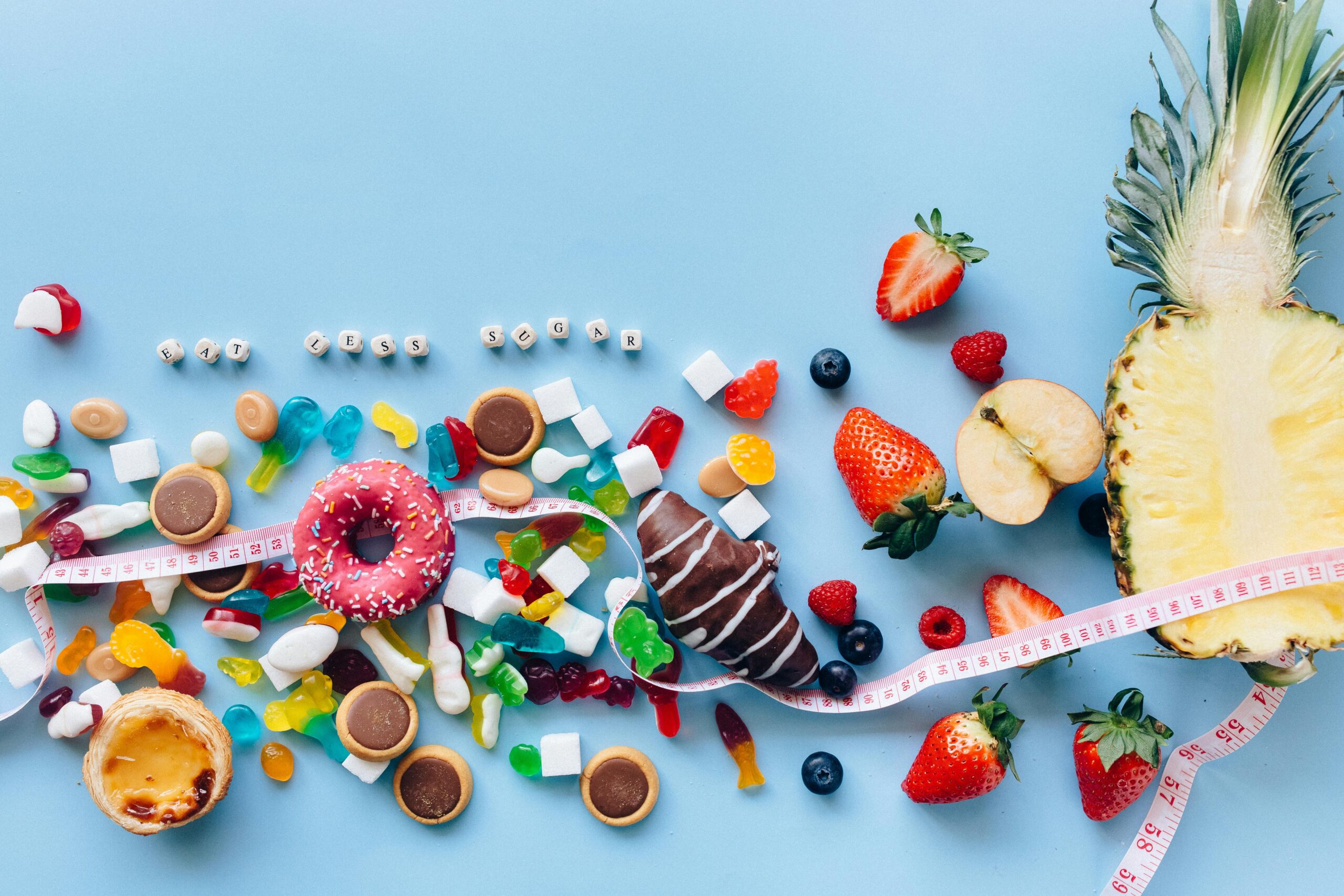
Refined Sugars: Pastries, candy, and sweetened yogurts.
Processed Snacks: Potato chips, crackers, and cookies usually contain high calories with zero nutritional value.
Liquid Calories: Sodas, fruit juices, and excessive alcohol are the easiest ways to accidentally overeat calories.
Comparison Table of Healthful Foods
You may save hundreds of calories a day without feeling deprived by making small changes.
| Food Category | Swap This (High Calorie/Processed) | For This (Weight Loss Friendly) |
| Carbs | White Pasta | Zucchini Noodles or Whole Wheat Pasta |
| Grains | White Rice | Cauliflower Rice or Quinoa |
| Snacks | Potato Chips | Air-popped Popcorn or Handful of Almonds |
| Drinks | Soda or Fruit Juice | Sparkling Water with Lemon or Green Tea |
| Condiments | Mayo or Ranch Dressing | Mustard, Salsa, or Greek Yogurt Dressing |
Portion Control: An Easy-to-Use Yet Effective Tool
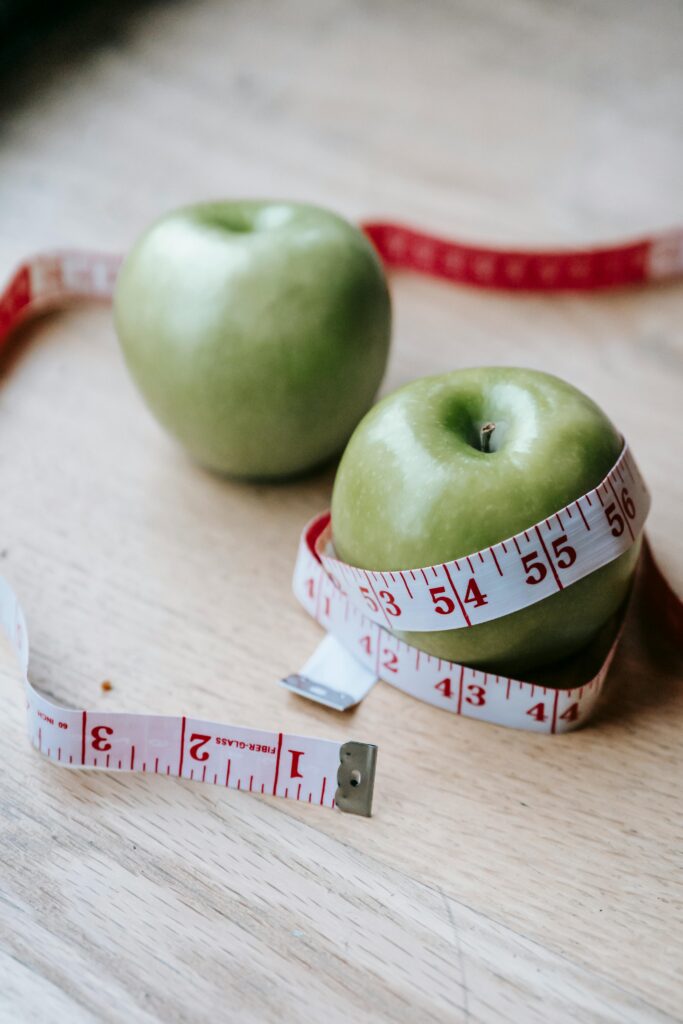
A common frustration is, “I eat healthy foods, so why am I not losing weight?” Portion sizes frequently hold the key to the solution. Even healthy foods like avocados, nuts, and olive oil are calorie-dense. If you consume too much of them, you will struggle to maintain a deficit.
Simple Portion Control Advice:
The Hand Method: A scale isn’t always necessary. As a guide, use your hand:
Palm: The protein component.
The vegetable portion comes first.
The portion of carbohydrates is cupped.
Thumb: The fat part.
Smaller Plates: Although it may seem like a gimmick, using a 9-inch dinner plate rather than a 12-inch one helps your meal appear larger and tells your brain that you are eating enough.
Eat mindfully by setting down your fork in between bites. Your stomach takes around 20 minutes to tell your brain that it is full. You’ll probably overeat if you rush.
Exercise: An Important Aspect of Losing Weight
Exercise regulates the number of calories expended, whereas food regulates the number of calories consumed. Exercise not only burns fat but also improves heart health, emotions, and sleep.
The Greatest Workouts for Losing Weight:
Cardio (Aerobic): Running, brisk walking, swimming, and cycling are great ways to burn calories right away.
Short bursts of intense exertion are interspersed with rest in HIIT (High-Intensity Interval Training). Your body continues to burn calories hours after the activity because of the “afterburn” effect.
Non-Exercise Activity Thermogenesis, or NEAT, is the energy you expend when performing routine activities like cleaning, walking the dog, climbing stairs, and fidgeting. Increasing your NEAT is frequently simpler and more efficient than working out for an additional hour.

Workout Type Comparison Table
| Workout Type | Calories Burned (Approx per hour) | Difficulty Level | Best For… |
| Walking | 200–300 | Beginner | Consistency and active recovery. |
| Running | 500–700 | Intermediate | High calorie burn and heart health. |
| HIIT | 400–600 (in 30 mins) | Advanced | Busy schedules and rapid fat loss. |
| Strength Training | 250–400 | All Levels | Long-term metabolism boosting. |
Strength Training: A Revolutionary Approach
You are missing a huge element of the puzzle if you are just doing cardio. Many people worry that lifting weights will make them “bulky,” particularly ladies. This is untrue.
Advantages of Strength Training
Increases Metabolism: The metabolic cost of muscle tissue is high. This implies that your body burns more calories at rest—even while you sleep—the more muscle you have!
Body Recomposition: Strength training aids in fat loss without sacrificing muscular mass. * Long-term Success: as muscle burns calories permanently, cardio burns them as you work out, giving you a “toned” appearance instead of just a “skinny” one.
Protein’s Significance in Losing Weight
Protein is the nutrient you should focus on the most. It is the foundation of a normal metabolism.
The Significance of Protein
Satiety: The most satisfying macronutrient is protein. Midmorning snack cravings can be avoided by eating a high-protein breakfast.
High Food Thermic Effect (TEF): Compared to fats or carbohydrates, your body needs 20–30% more energy to digest protein. In essence, consuming protein increases your metabolism.
Foods High in Protein:Greek yogurt, eggs, chicken breast, lean beef, salmon, tuna, and cottage cheese are examples of animal sources.Black beans, chickpeas, edamame, tempeh, lentils, and tofu are examples of plant sources.
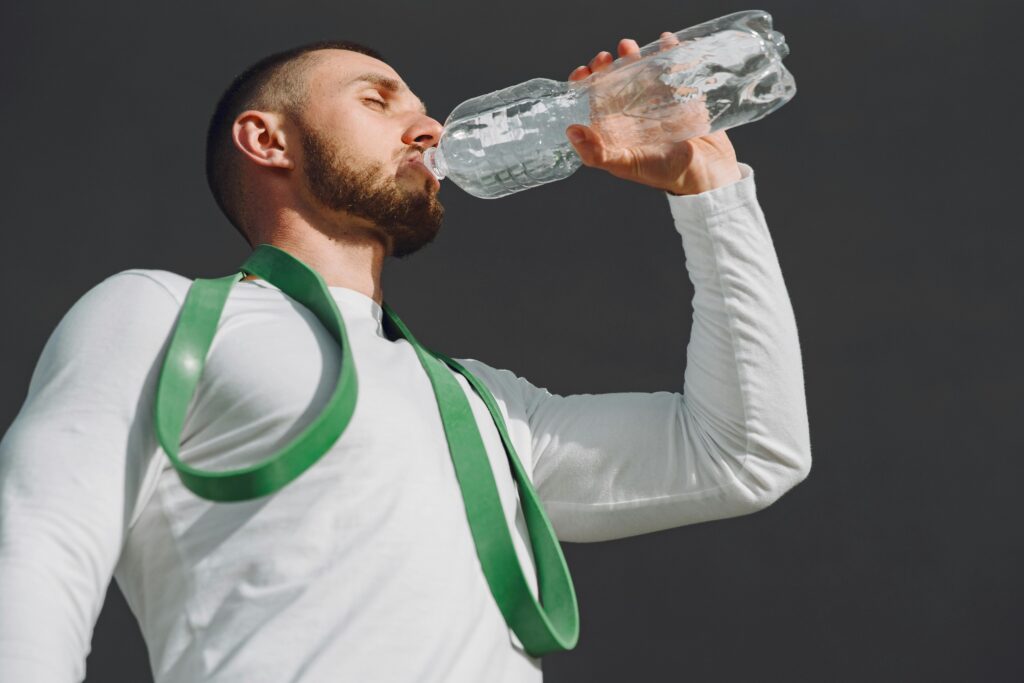
Hydration: The Unspoken Secret.The unsung hero of weight loss is water. Water is actually necessary for the process of lipolysis, which is the burning of fat. Your metabolism slows down when you are thirsty.

Advantages of Water Consumption:
Appetite Suppression: We frequently mistakenly believe that we are hungry when, in reality, we are only thirsty. You can eat less if you have a big glass of water 20 minutes before a meal.
Replaces High-Calorie Drinks: You can eliminate 1,050 calories a week by switching from a daily 150-calorie Coke to water—that’s about a third of a pound of fat shed!
Boosts Energy: Fatigue brought on by mild dehydration makes you less inclined to exercise and more likely to seek sweets as a quick energy boost.
Sleep and Stress Reduction
Even if you run five miles a day and follow the ideal diet, your weight reduction will halt if your sleep and stress levels are off. Hormones are the cause of this.
The Impact of Sleep on Weight:
Your body raises the hunger hormone Ghrelin and lowers the fullness hormone Leptin when you don’t get enough sleep. This explains why, following a restless night, you crave sugar and carbohydrates.
Stress and Gaining Weight:
Cortisol is released in response to prolonged stress. Your body stores fat, particularly in the abdomen (belly fat), when cortisol levels are high. Additionally, emotional eating is a common coping strategy for stress.
Sleep & Stress Impact Table
| Body Condition | Hormonal State | Impact on Weight |
| Stressed & Sleep Deprived | High Cortisol, High Ghrelin | Increases belly fat storage & sugar cravings. |
| Rested & Relaxed | Balanced Leptin & Cortisol | Better willpower, higher energy, efficient fat burning. |
Steer clear of weight loss myths and crash diets:
The diet business is rife with false information, frequently intended more for product sales than for health promotion.
Common Myths About Losing Weight:
“Carbs make you fat” is untrue. You get fat from consuming too many calories. Whole food carbs like oats and potatoes are healthy fuel.
“You can spot-reduce belly fat” is untrue. You cannot choose where you lose fat. You must lower your overall body fat percentage, and eventually, it will come off the belly.
“Starving yourself is the best way to lose weight”: False. Drastically cutting calories can slow your metabolism and lead to muscle loss, making it harder to maintain the weight loss later.
Establish reasonable objectives:
Losing weight is a journey, not a race. Setting unrealistic expectations sets you up for failure. Use the SMART method: Specific, Measurable, Achievable, Relevant, and Time-bound.
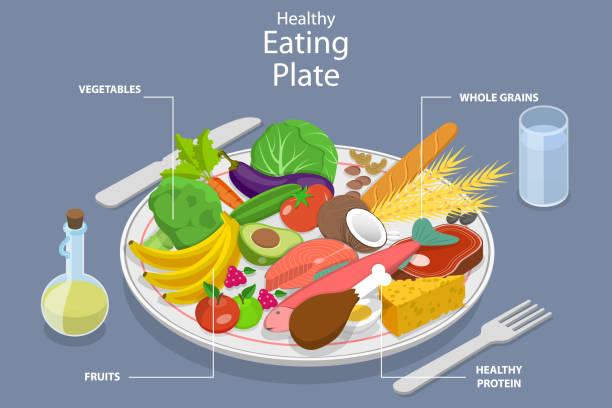
Healthy Weight Loss Rate:
Aim to lose 1–2 pounds (0.5–1kg) per week. This may seem slow, but it ensures you are losing fat, not muscle or water weight. Rapid weight loss is rarely sustainable and often results in rebound weight gain.
Healthy Daily Habits for Weight Loss
Motivation gets you started; habit keeps you going. The most effective way to lose weight is to make healthy choices into automatic behaviors.
Easy Routines to Adopt:
Meal Prep: Spend Sunday preparing healthy lunches for the week so you aren’t tempted by takeout.
Weekly Weigh-ins: Weigh yourself once a week at the same time to track trends, but don’t obsess over daily fluctuations.
Keep a Food Journal: Studies show that people who track what they eat lose significantly more weight.
Park Further Away: Add steps to your day by parking at the back of the grocery store lot or taking the stairs instead of the elevator.
The Greatest Method for Losing Weight: Concluding Remarks Finding a balance that you can sustain for the rest of your life is the best approach to reduce weight rather than going through hardship. It combines a calorie deficit with foods high in nutrients, frequent exercise, enough protein, and restful sleep. Don’t expect to lose the weight in a week because you didn’t gain it. Be patient with yourself, trust the process, and focus on progress over perfection.
Quick Checklist for Losing Weight ✏
Are you prepared to begin? To keep on course, make use of this daily checklist:
Consume protein at each and every meal.
Consume three liters of water, throughout the day,
Aim for 8,000–10,000 steps by moving your body.
Get seven or eight hours of sleep to aid in your body’s recuperation.
Consume three servings of veggies.
You are well on your way to being a happier, healthier version of yourself if you follow these instructions.
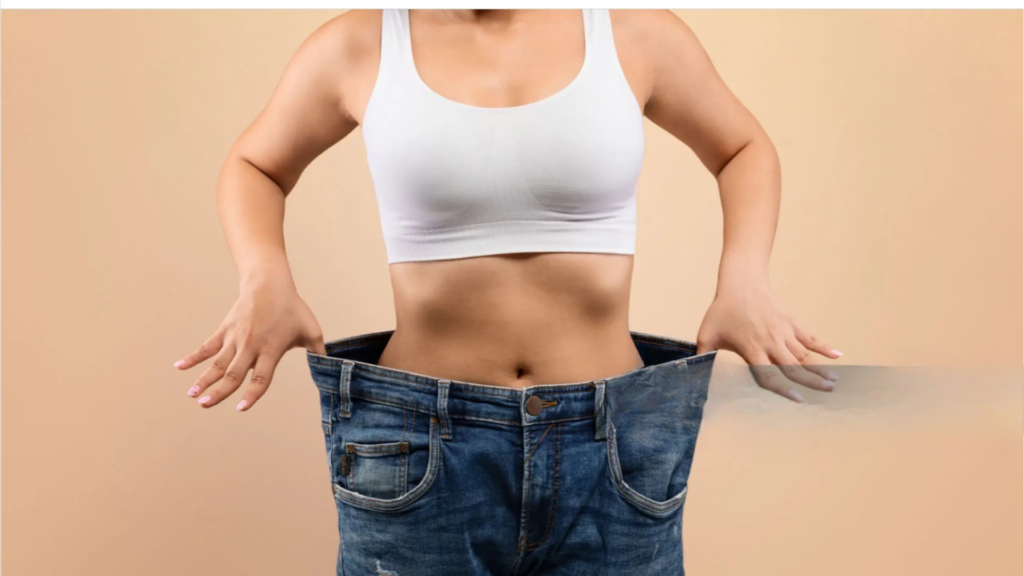
In conclusion, your journey begins right now:
The “best” approach to weight loss ultimately comes down to perseverance rather than perfection. It’s about moving your body even when you don’t feel like it, choosing an apple over a cookie most of the time, and forgiving yourself when you make mistakes.
Recall that long-term weight loss takes time. It is a result of the tiny, seemingly unimportant decisions you make on a daily basis. Now you have the road map, which includes learning about calorie deficits, controlling portion sizes, and making sleep a priority.Being healthy is a lifestyle shift intended to make you feel your best; there is no end point where you “stop” being healthy. Don’t hold off till Monday or the start of a new year. Start now, have faith in the process, and observe how your body and health change. You’re capable!